

Key Highlights of the Blog:
- Affordable large format scanning prices near you depend on factors like document size, resolution, color vs. black & white, and additional services like OCR.
- Different pricing models include per-sheet pricing (best for small projects), project-based pricing (custom quotes), and volume pricing (bulk discounts).
- Volume discounts can significantly reduce per-page costs, making large-scale scanning projects more cost-effective.
- Local print shops, online scanning services, and architectural firms offer large format scanning services, each with different pricing structures.
- To get the best deal on large format scanning, compare providers, ask for bulk discounts, and look for promotions or free pickup services.
Understanding Large Format Scanning Services and Pricing Options
Have stacks of oversized documents that need to be digitized? Whether you’re dealing with blueprints, architectural drawings, engineering plans, posters, or maps, finding a reliable and affordable large format scanning service can save you both time and money. But how do you know you’re getting the best large format scanning prices near you? Check out our comprehensive guide on scanning large documents to learn about top services and cost-saving strategies.
Prices can vary based on document size, resolution, color requirements, and additional services like OCR (Optical Character Recognition) or cloud storage options. The good news is that bulk scanning discounts, project-based pricing, and per-sheet rates offer flexibility based on your needs.
In this guide, we’ll break down the most affordable large format scanning prices near you, compare pricing models, and share tips to save money while getting high-quality scans .
Understanding Large Format Scanning Prices
Large format scanning prices vary based on a range of factors. Before you select a service provider, it’s important to understand what influences the cost of scanning. Here are some key aspects to consider:
1. Document Size
The size of your document is one of the biggest factors affecting scanning prices. Common large format document sizes include 18”x24”, 24”x36”, and 36”x48”, but some providers can scan even larger dimensions. The bigger the document, the more expensive the scan, as it requires specialized equipment and more time to process.
2. Resolution (DPI – Dots Per Inch)
Higher resolution scans provide better clarity and detail, which is essential for blueprints and technical drawings. Most scanning services offer resolutions ranging from 200 to 1200 DPI. While 200-300 DPI is sufficient for most text documents, higher resolutions (600 DPI and above) are necessary for detailed images and graphics. However, higher resolution scans take longer to process and require more storage space, increasing overall costs.
3. Color vs. Black & White Scanning
Scanning in black & white is generally cheaper than color scanning because it requires less data processing. Color scans are necessary for artistic prints, maps, and colored schematics, but they can cost up to 50% more than grayscale scanning. If you don’t need color, choosing black & white can save you a significant amount.
4. File Format & Storage Options
Scanning providers typically offer output formats like PDF, TIFF, JPEG, and PNG. TIFF and high-resolution PDFs are best for archiving and printing, while JPEGs are more suitable for web use. Some services also offer cloud storage, USB delivery, or CD/DVD burning, which may add extra costs.
5. Additional Services
Many large format scanning services offer OCR (Optical Character Recognition) to make scanned text searchable, document indexing for easy organization, and file enhancement services to improve quality. While these features improve usability, they also increase the overall price.
By understanding these factors, you can better estimate your scanning costs and choose the right service provider based on your needs.
Breakdown of Large Format Scanning Pricing Models
Large format scanning providers typically offer three main pricing models. The right choice depends on your project size and scanning needs.
| Pricing Model | Description |
|---|---|
| Per Sheet Pricing | Charges a specific price per sheet scanned. Costs vary based on size and resolution. |
| Project-Based Pricing | Customized quotes for large scanning projects based on overall scope and complexity. |
| Volume Pricing | Offers lower per-sheet pricing for higher document volumes, incentivizing bulk scanning. |
Per Sheet Pricing
This pricing model is best suited for small scanning projects with only a few documents. Prices typically range from $1 to $10 per sheet, depending on the document size and quality requirements. If you only need to scan a few blueprints or posters, per-sheet pricing is the simplest option.
- $1 – $3 per sheet for black & white scans
- $3 – $10 per sheet for color scans
Project-Based Pricing
For larger projects, some scanning providers offer a custom quote based on the entire project’s scope. This pricing model takes into account factors such as document size, quantity, resolution, and any additional services required. Project-based pricing is ideal for businesses or organizations that need to digitize an extensive collection of documents.
Volume Pricing
If you have hundreds or thousands of documents, volume pricing offers the best value. The more you scan, the lower the cost per document. Many providers offer tiered discounts, such as 10-20% off for large orders. This pricing model is great for companies transitioning to a paperless workflow.
- 5-10% discounts for 50+ pages
- 20-30% discounts for 500+ pages
What Constitutes Large Format Documents?

Large format documents encompass a wide range of materials and sizes. They are generally characterized by their dimensions, with one or both sides exceeding the standard paper sizes. Some common examples of large format documents include:
- Oversized architectural plans and engineering drawings: These documents are used in the construction and engineering industries to communicate complex designs and specifications.
- Pastel drawings and original artwork: Artists often work on larger canvases to create intricate and detailed artwork. Scanning these large format pieces allows for digital archiving and reproduction.
- Media collages and antique works of art: These unique pieces often combine different materials and textures, requiring special care during the scanning process to capture all the details.
- Acrylic paintings: Large acrylic paintings can be scanned to create high-resolution digital images, preserving the colors and textures of the original artwork.
Large format scanning services are equipped to handle these various types of documents, ensuring that the scanning process does not compromise their quality or integrity. Whether you have oversized architectural plans or valuable artwork, a professional scanning service can assist you in preserving and digitizing these important documents.
How Quantity Affects Pricing
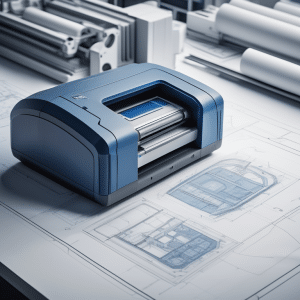
The number of documents you scan significantly impacts large format scanning prices. The more you scan, the lower the price per document due to economies of scale.
1. Bulk Discounts & Economies of Scale
Scanning providers lower the per-sheet cost when scanning in bulk. This is because batch processing is more efficient—once the scanner is set up, it can scan multiple documents with minimal additional effort.
2. Reduced Setup Time
Each new scanning job requires calibration, setup, and adjustments. When scanning in bulk, this setup time is spread over multiple documents, making each scan cheaper.
3. Lower Long-Term Storage Costs
Physical storage is costly, especially for businesses that need to keep large engineering drawings, architectural blueprints, and historical documents. Digitizing large format documents eliminates the need for expensive file cabinets and storage space.
By bundling multiple documents together, businesses can maximize savings and streamline their document management process.
How to Find the Most Affordable Large Format Scanning Prices Near You
Finding affordable large format scanning prices near you requires careful comparison of pricing models, bulk discounts, and additional cost-saving options. Whether you need to digitize blueprints, engineering plans, oversized posters, or maps, making informed decisions can help you get the best value. Here’s how to ensure you’re getting the best deal on large format scanning services.
1. Request Quotes from Multiple Providers
Not all scanning providers list their prices online, so the best way to determine affordability is to request custom quotes. When reaching out for a quote, consider the following factors:
- Document Size & Quantity – Large documents or high volumes may qualify for discounts.
- Scanning Resolution (DPI) – Higher resolution increases quality but also affects pricing.
- Black & White vs. Color Scans – Color scans cost more than black & white.
- Additional Services – Features like OCR (Optical Character Recognition) or file formatting may have extra costs.
Tip: Always request a detailed price breakdown so you can compare costs effectively.
2. Take Advantage of Bulk Discounts on Large Orders
Most scanning services offer tiered pricing where the cost per sheet decreases as your order size increases. Here’s an example of how pricing might vary:
| Quantity | Black & White Pricing | Color Pricing |
|---|---|---|
| 1 – 50 sheets | $2 – $3 per sheet | $4 – $6 per sheet |
| 51 – 200 sheets | $1.50 – $2.50 per sheet | $3 – $5 per sheet |
| 200+ sheets | $1 – $2 per sheet | $2.50 – $4 per sheet |
Tip: The more documents you scan at once, the lower your per-page cost. If you have future scanning needs, consider batching orders to maximize discounts.
3. Look for Seasonal Promotions & Special Deals
Many scanning providers offer discounts during specific times of the year. Here’s when you’re likely to find the best deals:
- Tax Season (January – April) – Many businesses digitize financial records.
- End-of-Year Sales (November – December) – Companies archive documents for compliance.
- Black Friday & Cyber Monday – Special promotions on bulk scanning services.
Tip: Sign up for email alerts from scanning providers to stay updated on discount offers and seasonal promotions.
4. Optimize Costs by Choosing the Right Scanning Options
Certain scanning preferences can significantly impact pricing. Here’s how to optimize your choices for affordability:
- Black & White vs. Color – Black & white scans are 30-50% cheaper than color.
- Resolution (DPI) – Higher DPI improves clarity but increases file size and cost. A 200-300 DPI setting is usually sufficient.
- OCR (Optical Character Recognition) – Converts scans into searchable PDFs, making document retrieval easier. While it costs extra, it saves time in the long run.
- File Format – Standard PDF formats are usually included in pricing, while TIFF or CAD file conversions may cost extra.
Tip: If you’re scanning blueprints, architectural drawings, or engineering plans, 300 DPI grayscale is a cost-effective option that maintains readability.
5. Consider Pickup & Delivery Services to Reduce Costs
Many scanning providers offer pickup and delivery services, which can help you save on:
- Time – No need to transport documents yourself.
- Transportation Costs – Avoid fuel expenses for drop-off/pickup.
- Effort – Ideal for businesses with large-scale scanning needs.
Pro Tip: Some providers offer free pickup for bulk orders, so always ask if this option is available.
6. Check Customer Reviews & Service Reputation
Affordability isn’t just about price—quality and reliability matter too. Before selecting a scanning provider, consider:
- Online Reviews – Check Google, Yelp, Trustpilot, or BBB ratings.
- Turnaround Times – Faster services usually charge a premium.
- Security Policies – If handling confidential documents, ensure the provider follows strict data security protocols.
Pro Tip: Choose scanning services with 4+ star ratings and look for customer feedback on pricing transparency and service quality.
Preparing Your Documents for Scanning
Before sending your documents for large format scanning, it is important to prepare them properly to ensure a smooth and efficient scanning process. Here are some tips for preparing your documents:
- Efficient organization: Sort and organize your documents by type or category to facilitate the scanning process and ensure accurate indexing and filing.
- Handling fragile or damaged documents: Take extra care when handling fragile or damaged documents. If necessary, consult with a professional conservator to ensure the safety and preservation of the documents during the scanning process.
By following these tips, you can optimize the large format scanning process and ensure the best possible results for your documents.
Comparing Local vs. National Service Providers
When considering large format scanning services, you may come across both local and national service providers. Here are a few factors to consider when comparing the two:
- Scan centers: Local service providers may have scan centers in your area, allowing for easy drop-off and pick-up of documents. National service providers may have a wider network of scan centers across North America, ensuring accessibility regardless of your location.
- Projects of any volumes: Local service providers may be better suited for smaller projects, while national service providers can handle projects of any volumes. Consider the size and scope of your scanning project when choosing between local and national providers.
- Turnaround time: Local service providers may offer quicker turnaround times due to their proximity to your location. National service providers, on the other hand, may have the resources and capacity to handle larger projects more efficiently.
Ultimately, the choice between a local and national service provider depends on your specific needs and the scale of your scanning project. Consider factors such as convenience, project size, and turnaround time when making your decision.
Step-by-Step Guide on Large Format Scanning Process
Here is a step-by-step guide to the large format scanning process:
- Choosea reliable scanning service provider: Research and select a reputable scanning service provider that specializes in large format scanning.
- Gatheryour large format documents: Collect all the oversized documents you want to have scanned and digitized.
- Contactthe scanning service provider: Get in touch with the scanning service provider and discuss your scanning project requirements.
- Arrange for document drop-off or pick-up: Coordinate with the scanning service provider to either drop off your documents at their facility or arrange for them to pick up the documents from your location.
- Barcodingand preparation: The scanning service provider will barcode your documents for inventory control. The documents will then be prepared for scanning by ensuring they are unbound and unfolded.
- Scanning process: The prepared documents will be scanned using specialized large format scanning devices. These devices capture high-resolution images of the documents.
- Quality checking: The scanned images will be reviewed for clarity and completeness. Any issues or discrepancies will be addressed to ensure the final digital copies are accurate and of high quality.
- Document reassembly or destruction: After the scanning process is complete, the documents will be either reassembled for return to you or prepared for destruction if requested.
- Deliverable creation and delivery: The scanned images will be processed into final format deliverables, and the digital files will be delivered to you through a convenient method such as email, cloud storage, or physical media.
By following this step-by-step guide, you can ensure a smooth and efficient large format scanning process. If you’re looking for expert insights on scanning techniques, check out our blog on top large document scanning strategies.
Ensuring Data Security During Scanning
Data security is a top priority in the scanning process to ensure the confidentiality and integrity of your sensitive documents. Large format scanning services implement several measures to maintain data security:
- Highly secure chain of custody: Scanning service providers maintain a highly secure chain of custody throughout the scanning process. This ensures that your documents are handled and processed with the utmost care and security.
- Privacy thanks to confidentiality measures: Scanning service providers prioritize privacy and confidentiality. They implement measures such as secure facilities, access controls, and secure data transfer protocols to protect your documents and prevent unauthorized access.
- Protection of PII records: Personally identifiable information (PII) records, such as customer information or employee data, are handled with strict confidentiality. Scanning service providers adhere to privacy regulations and take necessary precautions to protect PII records during the scanning process.
By partnering with a reputable scanning service provider, you can have peace of mind knowing that your sensitive documents are in safe hands. These service providers prioritize data security and implement robust security measures to protect your confidential information.
Software Solutions for Managing Scanned Documents
In addition to advanced scanning technology, large format scanning services utilize software solutions to enhance the functionality and management of scanned documents. Here are some key software solutions used in managing scanned documents:
- Indexing: Software solutions can automatically index scanned documents, making it easier to search for specific information within the digital files.
- Quick search capabilities: With the help of software solutions, scanned documents can be indexed and organized in a way that enables quick and efficient searches. This saves time and improves productivity when accessing specific information.
- Document retention: Software solutions offer options for document retention, allowing for the secure storage and retrieval of scanned documents over extended periods. This ensures that the digital files remain easily accessible and protected.
These software solutions play a crucial role in managing and organizing the large volume of scanned documents. They enhance the usability and accessibility of the digital files, enabling users to efficiently navigate and retrieve information from the scanned documents.
Tips for Efficient Organization
Efficient organization of your documents is key to a successful large format scanning process. Here are some tips to help you organize your documents effectively:
- Sort by type or category: Group similar documents together based on their type or category. This will make it easier to locate specific documents and ensure accurate indexing and filing.
- Remove staples and bindings: Before sending your documents for scanning, remove any staples, bindings, or other fasteners. This will ensure that the documents can be easily scanned without causing damage to the scanning equipment.
- Remove any sticky notes or attachments: Ensure that your documents are free from any sticky notes, attachments, or other items that may interfere with the scanning process.
- Consider a document management system: To further enhance the organization of your documents, consider implementing a document management system. This will allow for easy retrieval and management of your digital files, promoting a paperless office environment.
By following these tips, you can streamline the large format scanning process and ensure that your documents are efficiently organized for scanning.
Handling Fragile or Damaged Documents
When dealing with fragile or damaged documents, it is important to take extra care during the scanning process to ensure their preservation. Here are some considerations for handling fragile or damaged documents:
- Consult with a professional conservator: If you have valuable or historically significant documents that are fragile or damaged, it is advisable to consult with a professional conservator. They can provide guidance on the best practices for handling and scanning such documents.
- Use specialized equipment: Scanning service providers often have specialized equipment and techniques for handling delicate or fragile documents. These techniques may include non-contact scanning or using protective materials to ensure the safety of the documents.
- Preserve original documents: If the original documents are particularly fragile or damaged, you may choose to preserve them without scanning. In such cases, consult with the scanning service provider to explore alternative options for preserving and accessing the information contained in these documents.
Handling fragile or damaged documents requires a delicate touch and specialized expertise. By working with a reputable scanning service provider, you can ensure the preservation of these documents while still benefiting from the convenience and accessibility of digital copies.
Conclusion
Finding affordable large format scanning prices near you is easier than you think! By comparing quotes, leveraging bulk discounts, and optimizing your scanning settings, you can cut costs without compromising quality. Choosing black & white over color, selecting the right resolution, and only paying for essential add-ons can make a big difference.
For added convenience, consider pickup and delivery services to save time and transportation costs. The goal is to strike the perfect balance between affordability and quality. Ready to digitize your large-format documents?Request a quote today and streamline your document management!
Frequently Asked Questions
What is the average cost of large format scanning?
The cost varies based on document quantity, complexity, and additional services. It’s best to request quotes from multiple providers for an accurate estimate tailored to your project.
How long does it take to scan large documents?
Scanning time depends on document size, complexity, and volume. Service providers can give a timeline based on your project requirements.
Can I scan colored documents in large formats?
Yes, advanced scanners can capture full-color images, preserving details in blueprints, maps, and artwork with high accuracy.
Are there size limitations for scanning?
Most providers can handle a wide range of large formats, but equipment limitations may apply. Check with your provider to ensure they can accommodate your documents.