
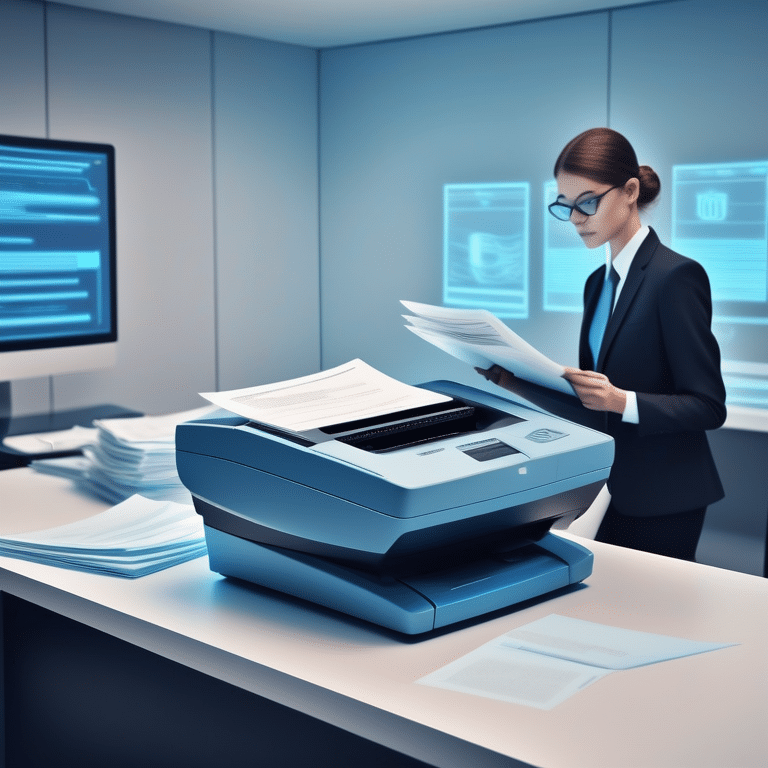
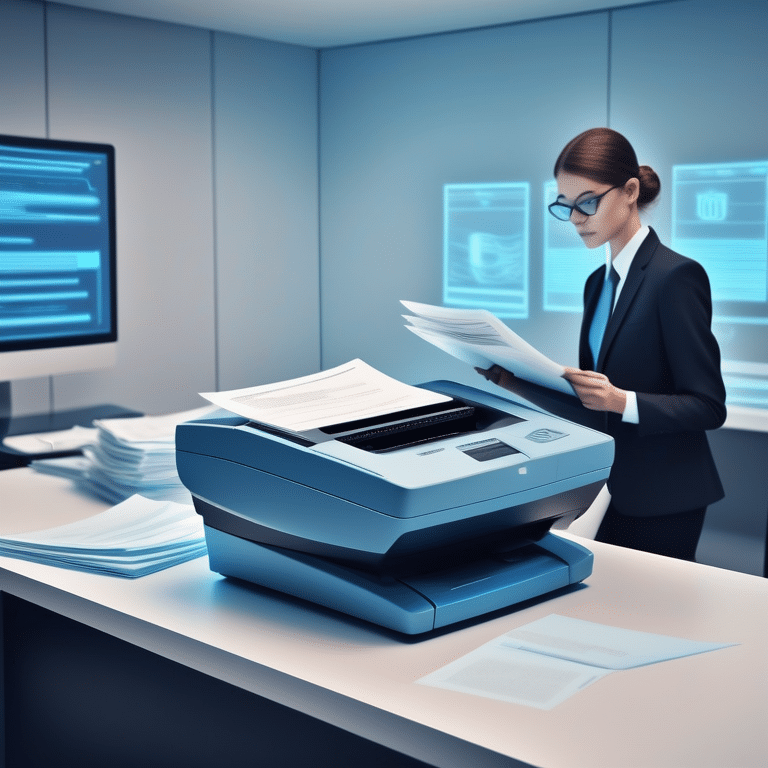
Key Highlights of Legal Document Scanning Services for Law Firms
- Enhance confidentiality, security, and accessibility of legal documents with professional scanning services.
- Streamline workflows, improve organization, and boost efficiency through digitization.
- Outsource scanning projects to experts specializing in handling sensitive legal materials.
- Implement advanced technology like OCR for accurate and searchable digital files.
- Experience a seamless transition to a paperless office with comprehensive legal document scanning services.
Introduction
In today’s digital age, law firms are using digital transformation to improve their work. They are adopting legal document scanning to make their processes easier and faster. Dealing with paper documents can be heavy, take a lot of time, and often lead to mistakes. Switching to a paperless system helps law firms manage documents better, increases security, and boosts their overall operational efficiency.

https://www.youtube.com/user/ilmcorp
Embracing Digital Transformation in Law Firms
The legal field deals with a lot of paperwork. This makes it a great fit for going digital. Legal document scanning services can help with the problems that come from needing to handle physical documents. They offer many benefits. These services allow law firms to move away from using paper and switch to better, digital options.
By using document scanning and technologies like optical character recognition (OCR), law firms can gain many advantages. This leads to better organization, lower costs, and better security.




The necessity for digital document management in Minneapolis-St. Paul law practices
Minneapolis-St. Paul law firms deal with a lot of legal paperwork. This means document management is very important for how they work. Using paper files can be hard and expensive for these law firms.
Switching to a digital system has many advantages. It can help with better organization, stronger security, and lower storage costs. By adopting digital document management solutions, law practices in Minneapolis-St. Paul can make their operations smoother, provide better service to clients, and become more competitive in the legal field.
Overcoming the hurdles of transitioning to a paperless office
While the benefits of a paperless office are many, law firms may have some problems when they make the switch. One big issue is the need to spend money on scanning equipment, software, and training. But, getting help from experts in legal document scanning can help lessen these problems.
These professional scanning services know how to deal with sensitive legal documents. They make sure to follow rules about keeping information safe. In today’s digital age, moving to a paperless way of working is important for operational efficiency in the legal field.

https://www.aiim.org/what-is-ediscovery
Key Features of Effective Legal Files Scanning Services
Effective legal files scanning services are more than just digitizing documents. They include important features that meet the needs of law firms. These features help keep legal documents confidential, accurate, and easy to access.
Also, good services focus on data security. They use advanced technology to make high-quality scans. Additionally, they provide tailored solutions for the different needs of legal practices.
Ensuring confidentiality and security during the digitization process
Confidentiality is very important when dealing with sensitive legal documents. Good legal document scanning services focus on keeping confidential information safe during the digitization process. They use secure scanning facilities with limited access. This way, only allowed staff can handle sensitive data.
These services also use strong data encryption methods for storage and transmission. This protects client information from unauthorized access. They have strict security plans, including data backup and disaster recovery. This ensures solid protection for data.
Advanced technology for accurate and accessible digital files
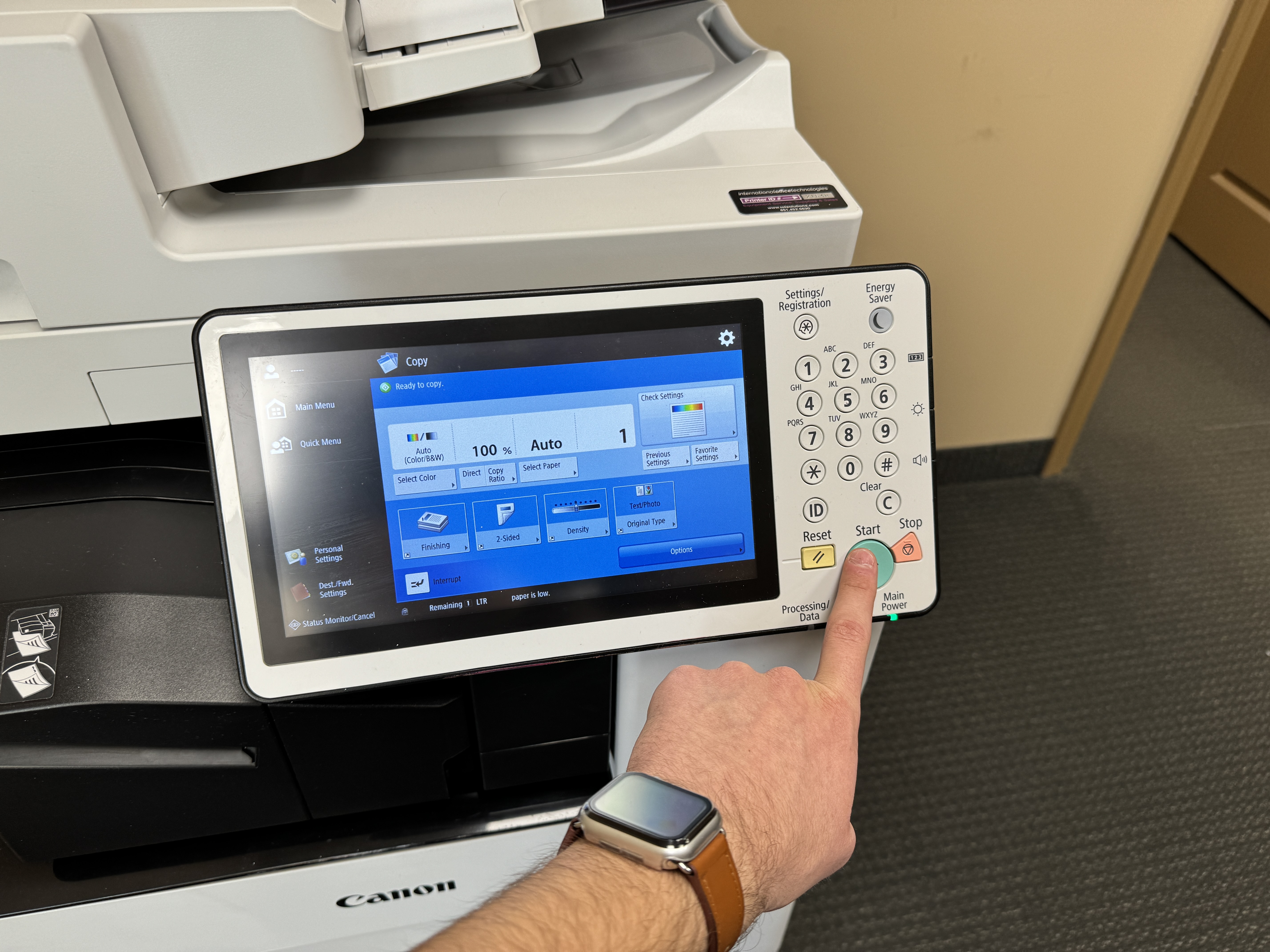
Modern legal file scanning services use new technology to make sure that digitized documents are accurate and easy to access. OCR technology is very important. It changes scanned documents into searchable and editable PDF files. This makes searching for keywords simple. It helps find specific information in large groups of documents.
Also, having digital access to these files lets legal professionals work together easily. They can access and share case files from anywhere if they have permission. Strong quality control steps make sure the scanned images are accurate and clear. This keeps legal documents safe and reliable.
Types of Legal Documents Ideal for Scanning
Law firms deal with many types of documents. It is important to know which ones to scan first. By focusing on documents that are used often, are important, or are sensitive, firms can make sure key information is easy to find in digital form.
Also, it helps to digitize important documents like contracts and corporate records. This makes record-keeping easier and helps in getting back historical data quickly.
Understanding which documents to prioritize for scanning
When deciding on which legal documents to scan first, it’s important to think about their kind and how they relate to current cases. Critical documents that people use often, like contracts, court filings, and emails with clients, should be scanned first.
Types of documents that are needed for case prep, such as discovery materials, witness statements, and expert reports, should also be done early. A good document scanning service can help figure out what your firm needs and create a tailored scanning plan. This way, you can make sure the most important documents are scanned well and in order.
Special considerations for sensitive or confidential legal files
Scanning sensitive legal files needs extra care to follow the right rules. Legal documents that have sensitive information, like personal details or trade secrets, must be treated carefully.
Law firms should work with scanning providers that know about federal regulations, like HIPAA or GDPR, to stay compliant. It’s important to use strict access controls, encryption, and secure storage to protect very confidential legal information.
Streamlining Workflow with Digitized Legal Files
Digitized legal files are very important for making work easier in law firms. They help legal professionals find information quickly and efficiently. This boost in efficiency improves productivity, helping legal teams manage cases better.
When law firms move from slow paper processes to a smooth digital system, they can improve their work. This change lets them spend more time focusing on what their clients need.
Enhancing efficiency and productivity through digital access
Digital access to legal files makes law firms more efficient and productive. Scanning legal files and automating workflows helps with things like moving documents, approvals, and other tasks. This cuts down on extra work and mistakes, making scanning legal files an essential part of law firm operations.
As a result, legal teams can spend more time on important tasks such as scanning legal files, legal research, talking with clients, and planning case strategies. With better operational efficiency from scanning legal files and digital workflows, law firms can manage more cases while still providing high-quality services.
Case studies: Success stories from Minneapolis-St. Paul law firms
Several law firms in the Minneapolis-St. Paul area have successfully implemented scanning legal files, leading to significant improvements in their operations.
Law Firm
Area of Improvement
Results
Smith & Jones
Reduced document retrieval time
Improved client response time by 50%
Miller & Thompson
Enhanced collaboration among legal team
Increased caseload capacity by 20%
Anderson & Lee
Secure storage of confidential case files
Successfully transitioned to a paperless office
These law practices partnered with professional scanning companies to digitize their documents, resulting in enhanced efficiency, cost savings, and improved client satisfaction. By incorporating scanning legal files into their workflows, law firms in the Minneapolis-St. Paul area have seen tangible benefits in their daily operations.
Conclusion
In conclusion, optimizing legal files scanning services is crucial for law firms looking to enhance efficiency and security. Embracing digital transformation offers a competitive edge by ensuring confidentiality and accessibility of legal documents. Prioritizing the scanning of sensitive files and streamlining workflows through digitization can significantly boost productivity. By adopting advanced technology and best practices, Minneapolis-St. Paul law practices can overcome the hurdles of transitioning to a paperless office and reap the benefits of efficient document management. Stay ahead in the legal industry with effective scanning legal files services tailored to meet the demands of the digital age.
Frequently Asked Questions
How do scanning legal files services maintain document confidentiality?
Legal document scanning services focus on keeping documents private. They use safe scanning facilities and have strict access controls. They also apply data encryption and have clear privacy policies. These steps help protect sensitive information during the scanning process. This way, clients can feel secure.
What technology is best for scanning voluminous legal documents?
For scanning a lot of legal documents, it’s best to use advanced technology. High-speed scanners that have OCR technology work very well. These systems help to scan documents efficiently. They can recognize documents and turn many paper files into searchable digital files fast and accurately.